Aloe Vera Care Guide
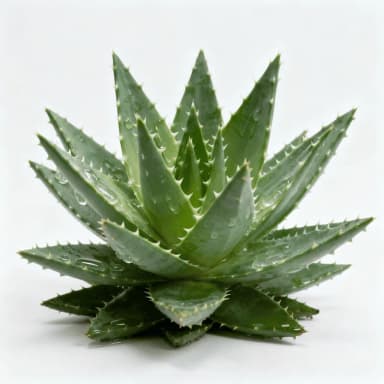
Aloe barbadensis miller
easy careAloe vera is a succulent that stores water in thick leaves and would rather go too dry than too wet — its shallow, fine roots rot quickly in soil that never fully dries, and overwatering is by far the most common way an aloe dies indoors.
Quick care facts
- Watering
- Every 14–21 days, only once the soil has dried out completely; every 3–6 weeks in winter
- Light
- Bright, direct-to-indirect light; a sunny south- or west-facing windowsill is ideal
- Humidity
- Average household humidity (30–40%) is fine; no extra humidity wanted
- Temperature
- 18–27°C (65–80°F); protect from frost and temperatures below 10°C (50°F)
- Soil
- Fast-draining cactus/succulent mix (sand, perlite, potting soil)
How to water an Aloe Vera
Water an aloe vera only after the soil has dried out fully from the last watering, typically every 14 to 21 days during the growing season. Push a finger a few centimetres into the soil, or lift the pot to feel how light it's gotten — aloe's thick leaves store enough water to shrug off a dry pot for weeks, but they cannot recover from roots that have been sitting wet.
When you do water, soak the pot until water runs from the drainage holes, then let it drain completely and never let the pot sit in a saucer of standing water. A cactus or succulent mix that drains in seconds, not minutes, matters as much as the schedule itself.
Cut back hard in winter, to roughly every 3 to 6 weeks. Cooler temperatures and lower light slow the plant's water use dramatically, and continuing a summer schedule through winter is the single fastest way to rot an aloe's roots.
Watering an Aloe Vera with LeafyPod
Aloe vera's biggest risk is a caretaker who waters on autopilot straight through winter, so LeafyPod stretches the interval automatically once it detects the shorter days and cooler temperatures that signal dormancy, instead of holding a fixed year-round schedule.
The reservoir's top-down delivery still lets the fast-draining succulent mix dry completely between cycles, which preserves the full dry-down aloe roots need — the app would rather under-water a succulent than risk the standing moisture that causes rot.

LeafyPod Starter Pack
From $145
Common Aloe Vera problems
Signs of overwatering
- Soft, mushy, translucent leaves that collapse when touched
- Leaves turning brown or black from the base upward
- Roots that are black, mushy, or foul-smelling when checked
- Soil that stays damp more than two weeks after watering
Signs of underwatering
- Leaves that thin, curl, and pucker as they use up stored water
- Older leaves drying and browning first, working upward
- Leaf tips shriveling and turning brittle brown
- Little to no new growth over several months
Frequently asked questions
How often should I water an aloe vera plant?
Aloe would rather be under-watered than over-watered, so wait until the soil has fully dried out before watering — every 14 to 21 days in spring and summer, stretching to roughly every 3 to 6 weeks in winter.
Why are my aloe vera's leaves turning mushy and brown?
Soft, translucent, or collapsing leaves point to overwatering and likely root rot. Stop watering, check that the pot drains freely, and let the soil dry out completely — sometimes for several weeks — before watering again.
Can aloe vera survive without much water?
Yes. Aloe stores water in its thick leaves and tolerates being under-watered far better than being overwatered; a dry pot for an extra week or two rarely causes lasting harm.
What kind of soil does aloe vera need?
A fast-draining cactus or succulent mix, not standard potting soil. Regular potting mix holds too much moisture around aloe's shallow roots and is one of the most common causes of rot.