English Ivy Care Guide
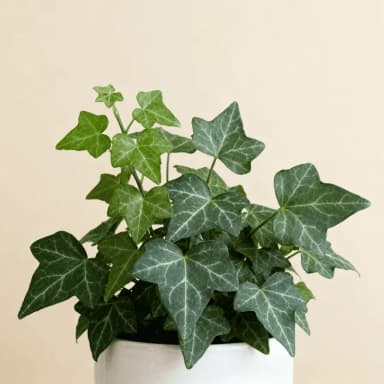
Hedera helix
moderate careEnglish ivy (Hedera helix) prefers cool rooms and soil kept lightly, evenly moist — let it dry out too much or sit in overly warm, dry air and it becomes a magnet for spider mites, which are the plant's most common problem.
Quick care facts
- Watering
- Every 5–7 days, keeping soil lightly moist but never soggy
- Light
- Bright, indirect light; tolerates some medium light
- Humidity
- 50%+ preferred; low humidity encourages spider mites
- Temperature
- 10–21°C (50–70°F); struggles and stresses in hot, dry rooms above 24°C (75°F)
- Soil
- Well-draining, moisture-retentive potting mix
How to water an English Ivy
English ivy wants its soil kept evenly, lightly moist rather than swinging between soaked and bone-dry — check every 5 to 7 days and water as soon as the top 2 centimetres of soil feel dry. Unlike drought-tolerant houseplants, ivy sulks quickly if it's allowed to dry out fully, showing crisping edges within days.
Water until it drains from the pot's holes, then let any excess drain away completely; ivy still needs the soil to breathe between waterings even though it dislikes drying out. A well-draining but moisture-retentive mix strikes that balance better than a straight cactus blend or heavy garden soil.
Ivy also does noticeably better in cool rooms — think 10 to 21°C — than in warm, centrally heated ones. Hot, dry air not only stresses the plant into dropping leaves but is the single biggest trigger for the spider mites that plague English ivy indoors.
Watering an English Ivy with LeafyPod
Because English ivy punishes both a full dry-out and soggy soil, LeafyPod's top-down watering keeps the root zone evenly damp on a tighter cadence than most houseplants get, instead of the deep-soak-then-ignore pattern that works for drought-tolerant species.
The app's humidity and dryness alerts also flag the hot, dry stretches that make English ivy vulnerable to spider mites, so watering stays consistent through exactly the conditions that most often trigger an infestation.

LeafyPod Starter Pack
From $145
Common English Ivy problems
Signs of overwatering
- Yellowing leaves that feel soft and drop easily
- Soil that stays wet and smells musty days after watering
- Root rot with blackened, mushy stems at the soil line
- Fungus gnats hovering around consistently damp soil
Signs of underwatering
- Dry, crispy brown leaf edges and tips
- Leaves curling and losing their glossy sheen
- Fine webbing or stippled, dusty-looking leaves from spider mites
- Increased leaf drop in warm, dry rooms
Frequently asked questions
How often should I water English ivy?
Keep the soil lightly and evenly moist on roughly a 5-to-7-day cycle rather than letting it swing dry between waterings. English ivy is one of the few common houseplants that prefers steady consistency over a deep dry-down rhythm.
Why does my English ivy keep getting spider mites?
Spider mites thrive in the warm, dry air that stresses English ivy, so infestations usually follow a spell of low humidity or a too-warm room. Move the plant somewhere cooler, raise humidity, and rinse the leaves periodically to discourage them.
Does English ivy like humidity?
Yes — it prefers 50% humidity or higher and shows dry, crisping edges when the air is too dry. A pebble tray, humidifier, or cooler room all help more than misting alone.
Can English ivy handle a dry spell if I forget to water it?
Occasionally, but not well — unlike succulents, ivy shows stress such as crispy edges and mite susceptibility within days of drying out fully, so it's better suited to a consistent short watering interval than an occasional deep soak.